


Redwood fencing holds a significant place in the history of American homebuilding, serving as the gold standard for residential fences for over a century. Its journey from a building material to a protected resource and back to the premium outdoor wood product reflects a shift in both environmental consciousness and consumer preference.
As the leading sustainable redwood fence supplier, Sequoia Forest Products celebrates the long-standing history and enduring beauty of this phenomenal wood. In this blog post, we’re exploring how it’s risen from humble origins in the 1950s through the 1970s and beyond.
The Rise of Redwood Fencing
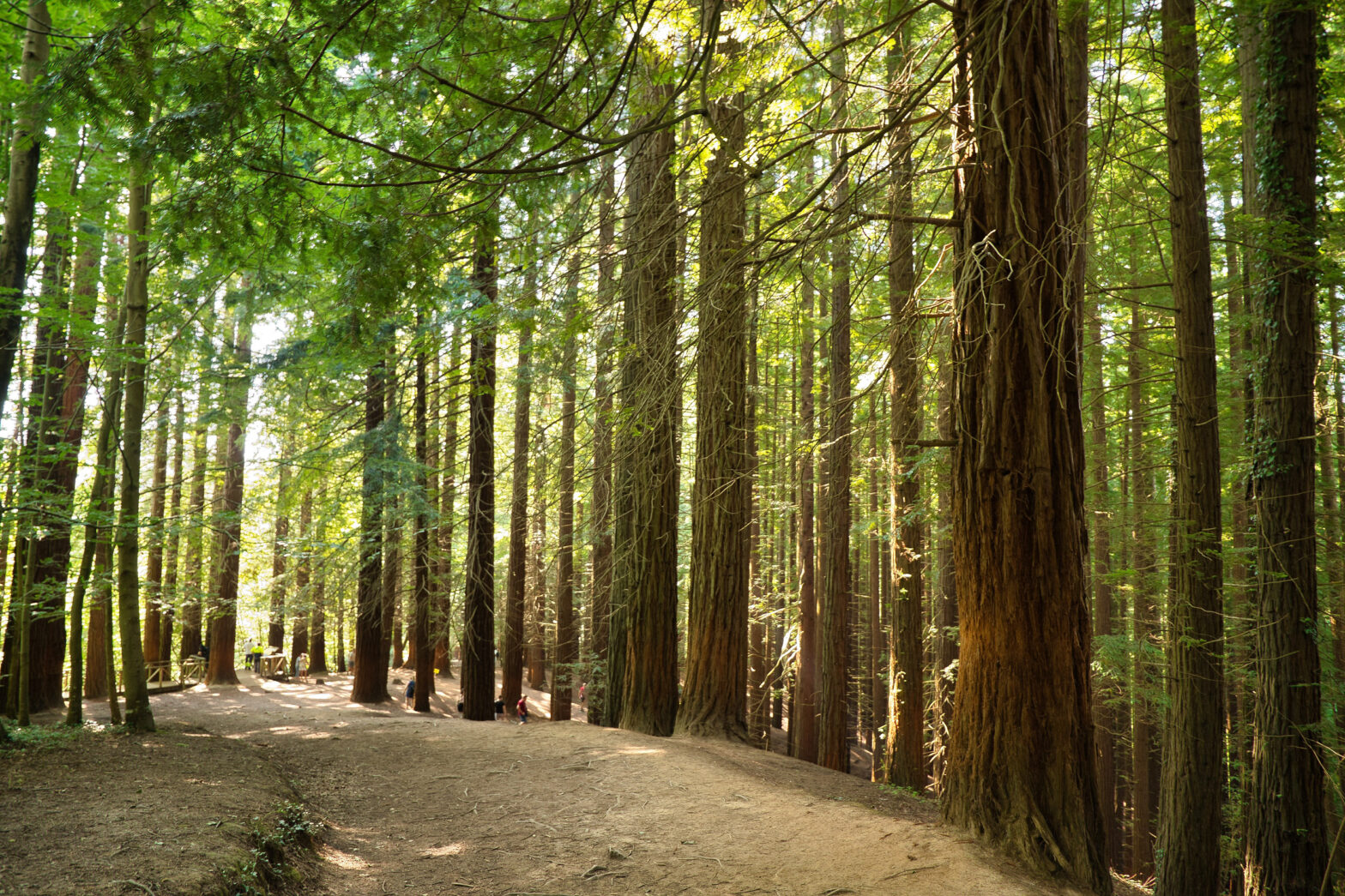
The story of redwood fencing begins with the vast, ancient forests of Sequoia sempervirens that blanketed the coasts of California and southern Oregon.
Known for their immense size and longevity, these trees provided an abundant and unique resource. Redwood’s natural properties made it an ideal material for outdoor construction. The wood is inherently resistant to rot, decay, and insects due to high levels of tannins, which act as a natural preservative. This durability meant that a redwood fence could stand for decades with minimal maintenance, a highly desirable trait for homeowners.
Redwood lumber was widely available and relatively affordable in the post-World War II housing boom. As suburbs sprouted across the United States, so did the demand for fences to define property lines and provide privacy.
Redwood became the go-to choice, prized for its beautiful, rich reddish-brown color, straight grain, and a workability that made it easy for carpenters and homeowners to install. Its natural beauty and longevity quickly earned it a reputation as the premium wood choice for residential fencing and decking.
The Turning Point: Environmental Activism
By the 1970s, the unregulated logging of redwood forests had become a significant point of contention. The sheer scale of harvesting raised alarms among conservationists and environmental activists. The once seemingly infinite supply of redwood was then recognized as a finite natural resource that needed management.
Environmental organizations, such as the Sierra Club and the Save the Redwoods League, launched major campaigns to protect the remaining forests and help establish Best Management Practices for stewardship. They highlighted the importance of these ecosystems, which are home to a diverse range of plant and animal species.
Environmental activism led to significant legislative action, most notably the establishment of Redwood National Park in 1968, followed by its expansion in 1978.
The Rebirth of Redwood Availability
While the 1980s marked a significant slowdown in redwood harvesting due to increased protections and the decline of California’s manufacturing infrastructure, an interesting ecological phenomenon was simultaneously unfolding: the redwood forests continued to grow.
Over the past few decades, the very trees that were once extensively logged have matured significantly. This period of reduced harvesting allowed for substantial regrowth, transforming the landscape and, in turn, the future availability of redwood.
Today, the narrative surrounding redwood supply has undergone a dramatic shift. The availability of redwood has, in many ways, never been more abundant, particularly from sustainably managed forests. The trees being harvested now are often larger and older than those typically used for outdoor living materials. This means that consumers can once again access redwood with its renowned natural durability and beauty, but with the added assurance that it comes from responsibly managed sources and a supply that will last for decades.
The renewed supply allows redwood to reclaim its position as a premium, environmentally conscious choice for residential fencing and other outdoor applications, blending historical appeal with modern sustainability and affordability.
Bring Natural History to Your Backyard
With Sequoia Forest Products, you can become a part of the legacy of redwood builders and homeowners who have admired this wood for decades. We offer five distinct grades and unique products for fences and decking, so you can create the outdoor space of your dreams.
Learn more about Sequoia Supreme redwood. If you have questions, please contact us online or call us at (844) 6-REDWOOD.