


The Ultimate Guide to Redwood Fencing: What Property Owners Need to Know
When researching premium redwood fencing, many property owners quickly realize there is more to consider than appearance alone. Material quality, grading, sourcing, milling precision, sustainability, and long-term performance all play a role in how a fence looks and performs over time.
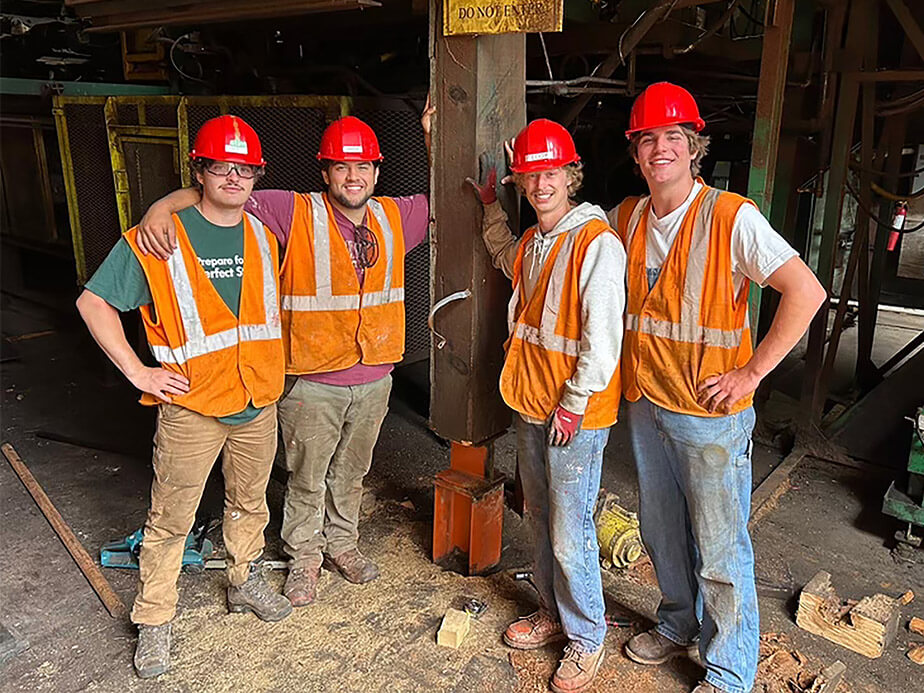
Sequoia Supreme redwood is specifically milled for fencing applications, offering consistent thickness, structural integrity, and long-term durability. As a dedicated redwood lumber supplier, Sequoia Forest Products focuses exclusively on producing fencing materials designed to perform for decades.
This guide covers everything property owners should understand before investing in redwood fencing, including sustainability and grades, cost, longevity, styles, and maintenance.
What Makes Redwood a Top Choice for Fencing?
Redwood has remained a leading fencing material for decades because of its natural performance characteristics.
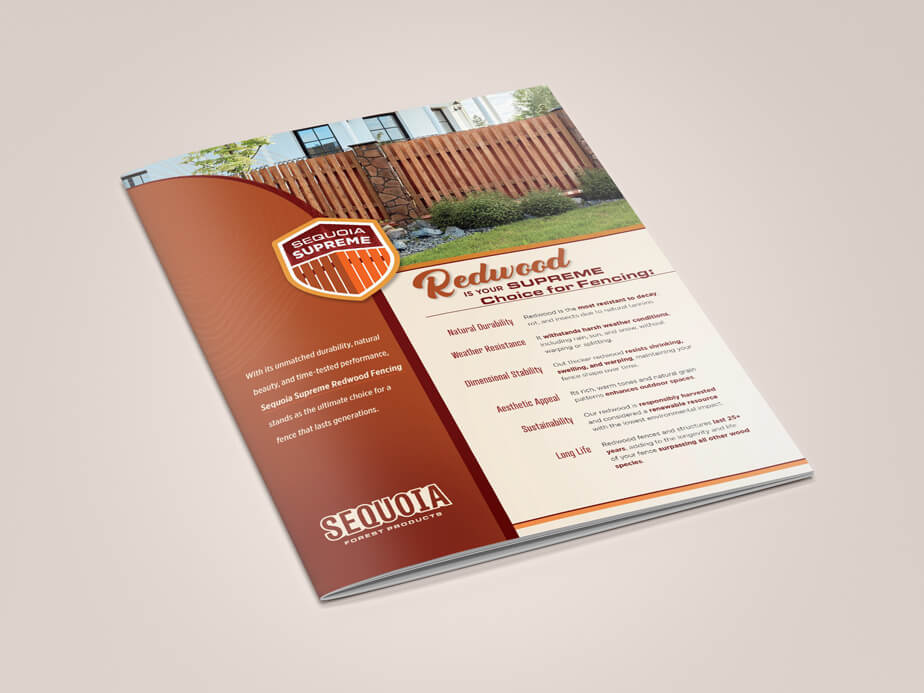
Redwood contains tannins that provide built-in resistance to insects, moisture, and decay. Unlike materials that require chemical treatment to withstand outdoor exposure, redwood protects itself from the inside out. That natural defense system reduces the likelihood of early rot, splitting, and structural breakdown.
For property owners, this translates into:
- Fewer repairs over time
- Greater structural stability
- Long-term durability across changing seasons
- A fence that maintains its appearance
Premium redwood fencing also offers visual distinction. Its rich color tones and natural grain patterns enhance curb appeal while complementing landscaping and architectural styles.
When properly installed and maintained, Sequoia Supreme redwood fencing delivers strength and refined appearance in one material.
If you would like a deeper explanation of how redwood naturally protects itself against rot, insects, and moisture exposure, visit our blog, How Redwood Resists Rot, Insects, and Moisture Naturally.
Where Does Redwood for Fencing Come From?
Understanding sourcing is essential when evaluating redwood products.
Sequoia Supreme redwood is harvested from responsibly managed second- and third-growth coastal forests. These are not ancient old-growth trees. Sustainable forestry practices ensure continued replanting, responsible harvesting cycles, and long-term ecosystem preservation.
Organizations such as Save the Redwoods League advocate for responsible stewardship and long-term protection of redwood forests.
Working with a specialized redwood lumber supplier ensures that materials are sourced with environmental responsibility in mind. Sustainable harvesting, combined with redwood fencing's long lifespan, reduces overall replacement cycles, minimizing environmental impact over time.
Durability itself is a sustainability advantage. A fence that lasts decades reduces material waste and conserves resources.
How Long Does a Redwood Fence Really Last?
One of the most common questions property owners ask is about longevity.
When properly installed and maintained, redwood fencing can last 20–30 years or longer, depending on climate conditions and grade selection. Sequoia Supreme redwood boards are milled specifically for fencing, enhancing dimensional stability and structural performance over time.
Factors that influence lifespan include:
- Climate exposure
- Soil conditions
- Installation quality
- Board grade
- Maintenance routine
In coastal climates, redwood's natural resistance to moisture is particularly beneficial. In dry regions, its dimensional stability helps reduce warping and splitting.
Over time, redwood weathers gracefully. Property owners may choose to preserve their warm tones with stain and sealant or allow them to age naturally into a soft silver-gray patina without compromising structural integrity.
How Does Redwood Compare to Other Fencing Materials?
When evaluating premium redwood fencing, comparisons to cedar, vinyl, and composite materials are common. Cost, longevity, repairability, and appearance should all be evaluated when comparing materials.
Redwood vs. Vinyl
Vinyl does not rot and requires minimal maintenance, but it cannot replicate the natural grain and warmth of redwood. Vinyl may become brittle in extreme temperatures over time, while redwood maintains structural resilience.
Redwood vs. Composite
Composite fencing can offer durability but often comes at a higher upfront cost. Redwood provides natural beauty with competitive long-term value, particularly when sourced from a trusted redwood lumber supplier focused on fencing applications.
Redwood vs. Cedar
Both are natural wood products, but redwood typically has a higher tannin content, which contributes to improved resistance to insects and decay. Grade consistency and milling precision also contribute to long-term stability.
If you're comparing natural wood options and want a deeper breakdown of lifespan differences, performance factors, and long-term value, you can explore our blog, Redwood vs Cedar: Which Fence Lasts Longer.
What Redwood Fencing Grades Should You Choose?
Redwood fencing is available in multiple grades, each serving a specific purpose.
Common grade categories include:
- Clear grades for refined, uniform appearance
- Construction heart grades for structural reliability
- Common grades for budget-conscious projects
Sequoia Supreme redwood fence boards are milled with precision and available in clearly defined grades. Selecting the appropriate grade affects:
- Visual consistency
- Structural performance
- Long-term maintenance expectations
- Project cost
Understanding grading helps property owners make informed decisions based on performance needs and design goals.
Why Does Milling Precision Matter for Fence Performance?
Milling quality directly impacts how a fence performs after installation.
Sequoia Supreme redwood boards are milled specifically for fencing, ensuring consistent thickness, straight edges, and dimensional accuracy. This precision contributes to:
- Easier installation
- Straighter fence lines
- Reduced stress on rails and fasteners
- Fewer alignment issues over time
Boards cut specifically for fencing applications are less likely to twist or warp compared to general-purpose lumber. When working with a redwood lumber supplier specializing in fencing materials, property owners benefit from product expertise rather than mass-produced milling.
What Are the Most Popular Redwood Fence Styles?
Redwood's versatility allows for a wide range of fence styles.
Popular options include:
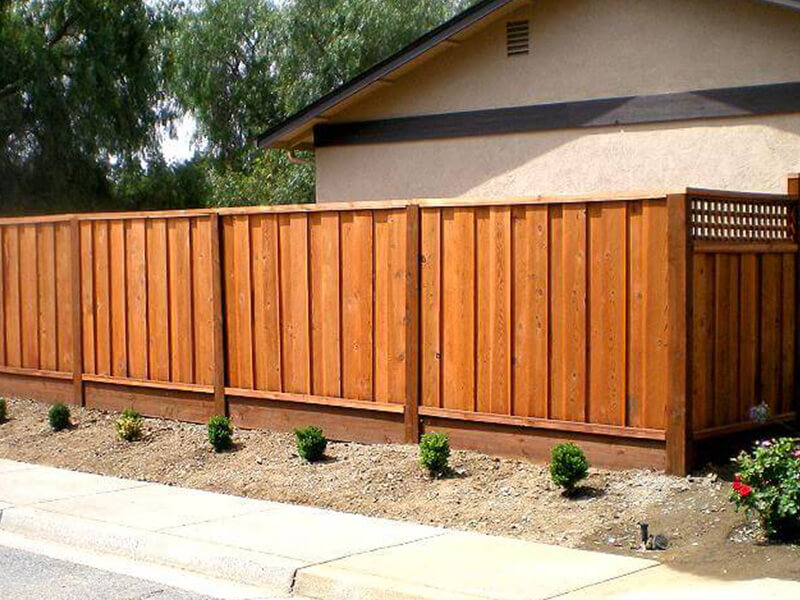
- Board-on-board privacy fencing
- Dog-ear privacy fencing
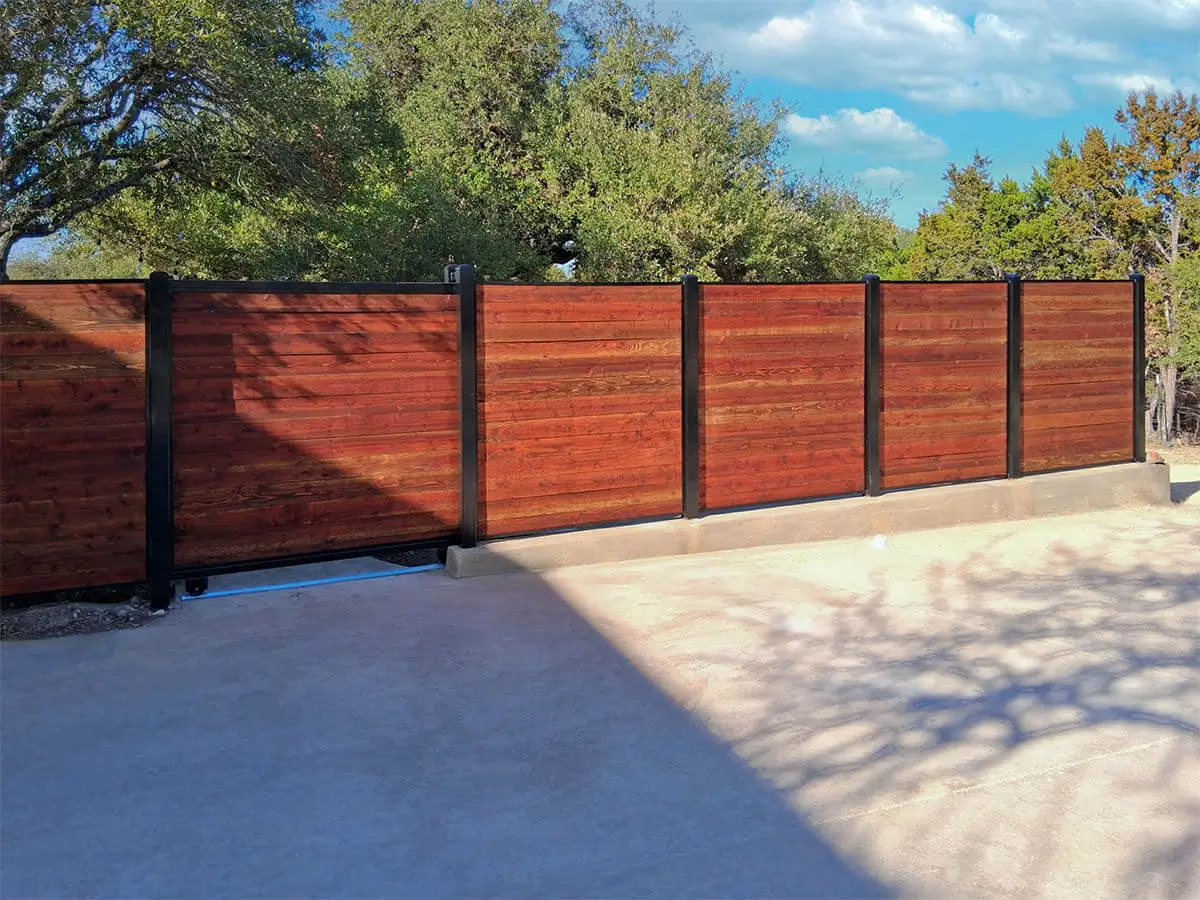
- Horizontal modern designs
- Lattice-top accents
- Decorative cap and trim enhancements
Premium redwood fencing supports both traditional and contemporary aesthetics. The natural grain and warm coloration enhance curb appeal while providing full or partial privacy depending on design preference.
Style selection influences not only appearance but also airflow, light penetration, and overall yard atmosphere.
How Much Does Redwood Fencing Cost?
Cost is an important factor in any fencing project.
While redwood fencing may have a higher upfront investment than some materials, its longevity and repairability often provide long-term value. Individual boards can be replaced if damaged, reducing the cost of full-panel replacements.
When comparing material costs, it is important to consider:
- Expected lifespan
- Maintenance requirements
- Repair flexibility
- Aesthetic longevity
Premium redwood fencing offers a balance between natural beauty and long-term performance, making it a competitive option when evaluating total lifecycle cost.
Is Redwood Fencing Safe and Family-Friendly?
Because redwood naturally resists insects and decay, it does not require heavy chemical treatment for outdoor use. This makes it an appealing option for families seeking a natural material.
Smooth milling reduces splinter risk, and the material's strength supports secure enclosure for children and pets.
Crafted with sustainable practices, Sequoia Supreme redwood boards combine durability, quality, longevity, and eco-friendly sourcing in a single fencing material.
How Do You Maintain and Preserve a Redwood Fence?
Maintenance plays a role in maximizing lifespan.
Recommended steps include:
- Periodic cleaning
- Routine visual inspections
- Applying a stain or sealant to preserve the original color
- Addressing minor issues before they expand
Some property owners choose to let redwood weather naturally. Others prefer to maintain its rich tone with protective coatings.
With proper care, Sequoia Supreme redwood fencing continues performing reliably year after year.
What Mistakes Should You Avoid When Buying Redwood Fencing?
Avoiding common purchasing mistakes helps protect your investment.
Key considerations include:
- Selecting the correct grade for your goals
- Confirming boards are milled specifically for fencing
- Verifying sustainable sourcing
- Working with an experienced redwood lumber supplier
Choosing general-purpose lumber rather than fencing-specific boards can lead to alignment issues, premature warping, and an inconsistent appearance.
Careful material selection at the beginning of a project reduces long-term complications.
Why Does Working With a Dedicated Redwood Lumber Supplier Matter?
Material expertise directly affects project outcomes.
A specialized redwood lumber supplier understands fencing applications, grade selection, and milling precision requirements. Sequoia Supreme redwood is crafted specifically for fencing performance, not generalized construction use.
When sourcing materials designed for fencing from the start, installers achieve better alignment, stability, and long-term structural integrity. Property owners benefit from materials engineered for reliable performance over the long term.
Learn More About Sequoia Supreme Redwood Fencing!
Sequoia Supreme redwood offers durability, quality, longevity, and eco-friendly sourcing in one refined fencing material.
Contact Sequoia Forest Products online to learn more about available grades, responsible harvesting practices, and premium redwood fencing options. You can also call (844) 6-REDWOOD to speak with a team member about selecting the right materials for your project.
Choosing fencing materials designed specifically for long-term performance makes a measurable difference in how your fence looks and performs for decades.